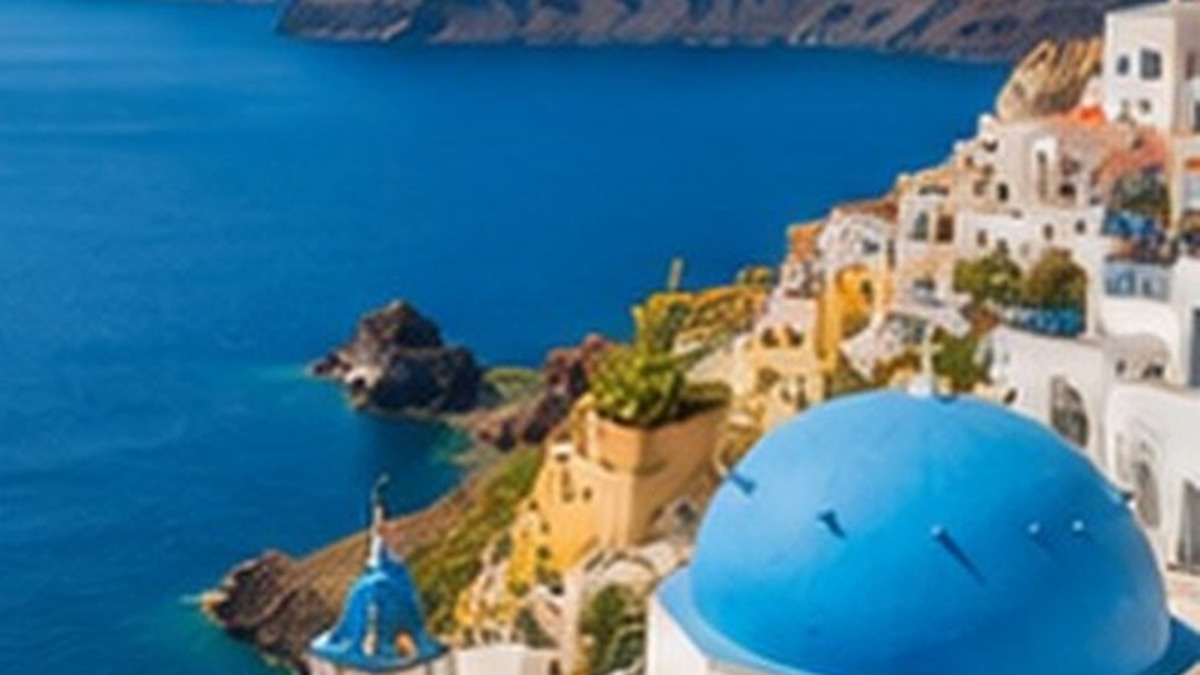
Choosing where to stay in Santorini shapes your entire experience on the island. While Santorini is relatively small, measuring roughly 18 miles from north to south, its distinct topography creates vast differences between neighborhoods. The western cliffside villages hang hundreds of feet above the sea along the volcanic caldera rim, delivering iconic postcard vistas, luxury cave suites, and steep terrain. Conversely, the eastern and southern shores slope gently down to volcanic black-sand beaches, offering flat, accessible walking routes, resort-style amenities, and significantly lower accommodation rates.
Selecting the right base depends on your priorities regarding budget, mobility, nightlife, dining, and transit access. To make an informed choice, travelers must weigh the visual appeal of cliffside lodging against practical logistics like vehicle access, stair climbing, and transit connections across the island.
Evaluating Santorini’s Geographic Divide: Caldera Rim vs. East Coast Beaches
The primary decision when booking accommodation on Santorini is deciding between the caldera side and the beach side. This geographic choice influences daily transit, physical effort, dining choices, and total trip expenses.
The caldera rim encompasses the western villages of Oia, Imerovigli, Firostefani, and Fira. Properties built into these cliff walls feature traditional cave-style architecture, plunge pools, and uninterrupted views across the Aegean Sea. However, staying on the cliff comes with notable trade-offs. Most hotels are unreachable by taxi or bus directly, requiring guests to navigate steep cobblestone stairs and narrow pedestrian walkways. High foot traffic from day-trippers can reduce privacy on outdoor terraces, and nightly rates remain among the highest in the Mediterranean.
The eastern and southern coastlines host beach towns like Kamari, Perissa, and Perivolos. These areas feature traditional flat terrain, making them far easier for walking, wheeling luggage, or traveling with young children. Rather than cliffside infinity pools, accommodations here consist of traditional boutique hotels, family-run guesthouses, and beachfront resorts with expansive swimming pools. While you sacrifice the elevated volcanic view, you gain direct access to swim in the ocean, affordable seaside tavernas, and easy parking. Travelers evaluating broader Mediterranean stay options will find similar coastal vs. hilltop trade-offs when exploring where to stay in Mallorca.
Fira: The Transit Hub for First-Timers and Nightlife Seekers
Fira (also spelled Thira) is the capital of Santorini and serves as the island’s primary administrative, commercial, and transport center. Perched on the central edge of the caldera, Fira provides sweeping views alongside the highest concentration of shops, bars, restaurants, and cultural venues on the island.
The standout advantage of staying in Fira is transit convenience. The central KTEL bus station is located here, acting as the hub for all public routes across Santorini. If you plan to explore multiple beaches, wineries, and ancient ruins without hiring a private driver or renting a car, Fira is the most practical location. Additionally, Fira hosts the island’s main nightlife scene, featuring everything from relaxed cocktail lounges perched over the cliff to lively dance clubs operating late into the night.
The primary drawback of Fira is commercial intensity. During peak hours, thousands of cruise ship passengers ascend from the Old Port via the cable car or donkey path, crowding the central pedestrian thoroughfares. The noise levels can be higher than in neighboring villages, particularly near the main square and late-night venue districts. For active travelers and first-time visitors prioritizing logistics and evening entertainment, Fira offers an energetic and conveniently located base.
Oia: High-End Luxury, Photogenic Passages, and Heavy Crowds
Located at the northern tip of the island, Oia is world-famous for its whitewashed cave houses, blue-domed churches, and dramatic sunset viewpoints overlooking the caldera and Ammoudi Bay. It represents the quintessential luxury image of Santorini.
Accommodation in Oia consists largely of high-end boutique hotels, restored captain’s mansions, and luxury cave suites equipped with private heated plunge pools. It is an exceptional choice for travelers seeking high design, fine dining, and upscale service. Ammoudi Bay, situated directly below Oia down a path of nearly 300 stone steps, features waterfront seafood tavernas and direct access to boat excursions.
However, Oia demands strategic planning regarding crowds and pricing. Midday and late afternoon bring dense crowds along the main marble pathway, particularly near the Venetian castle ruins where tourists assemble hours before sunset. Room rates in Oia are consistently the highest on the island. Furthermore, the pedestrian layout requires extensive walking up and down steep pathways. If privacy is a high priority, verify whether your hotel's terrace is tucked away from public walking trails, as many cliffside patios are visible to passing pedestrians.
Imerovigli and Firostefani: Quiet Caldera Romance and Mid-Island Balance
For travelers who want the dramatic caldera views of Oia and Fira without the intense commercial foot traffic, the villages of Firostefani and Imerovigli provide an ideal middle ground.
Firostefani effectively serves as a quieter northern extension of Fira. A continuous paved pedestrian path connects the two, allowing guests to walk into central Fira in approximately 15 minutes. Accommodation here offers authentic cliffside views and quality dining options while maintaining a noticeably calmer atmosphere throughout the day.
Further north along the rim lies Imerovigli, situated at the highest point of the caldera cliff. Known as the "Balcony to the Aegean," Imerovigli is recognized for its peaceful environment, elegant cave hotels, and exceptional sunset perspectives. It sits at the trailhead for Skaros Rock, a prominent volcanic promontory featuring medieval fortress ruins accessible via a scenic hiking path. Because Imerovigli has few souvenir shops and no major bus terminals or cruise ports, day-tripper crowds are minimal. Nightlife is quiet, focused primarily on upscale hotel dining and intimate wine bars, making it the top choice for couples and honeymoons.
Kamari and Perissa: Beachfront Comfort, Flat Walking, and Value
Located on the eastern side of the island behind Mount Prophet Elias, Kamari and Perissa offer a completely different stay experience focused on ocean access, relaxation, and value.
| Village | Primary Vibe | Terrain Type | Key Advantage | Main Trade-Off |
|---|---|---|---|---|
| Fira | Energetic & Central | Steep Cliffside | Central Bus Hub | Heavy Cruise Crowds |
| Oia | Luxury & Romantic | Steep Cliffside | Iconic Views | Highest Rates & Crowds |
| Imerovigli | Quiet & Upscale | Steep Cliffside | Tranquil Sunset Views | Limited Nightlife |
| Kamari | Beach Resort | Flat Coastal | Walkable Promenade | No Caldera View |
| Perissa | Laid-Back Beach | Flat Coastal | Affordable Lodging | Distance from North |
| Pyrgos | Authentic & Historic | Elevated Hillside | Lower Rates & Culture | Requires Vehicle |
Kamari is a well-developed coastal resort town featuring a wide pedestrian promenade running parallel to a dark volcanic pebble beach. The promenade is lined with international eateries, traditional tavernas, bakeries, and beach clubs. Hotels here range from budget-friendly family pensions to full-service beachfront resorts with large swimming pools and flat garden access.
Perissa, along with its adjacent extension Perivolos, sits further south. It features an extensive black-sand stretch lined with beach bars, water sports facilities, and affordable apartments. The atmosphere in Perissa is relaxed and unpretentious, attracting budget travelers, long-term visitors, and families. While staying in Kamari or Perissa means you cannot see the sunset over the caldera from your hotel, you gain direct sea swimming, accessible flat walking, and significantly more spacious rooms per dollar spent.
Pyrgos and Megalochori: Authentic Inland Villages Away from the Rim
Travelers interested in Cycladic history, local wine culture, and quiet residential streets should consider the inland villages of Pyrgos and Megalochori. Set back from the coastal cliffs, these settlements preserve traditional Greek island architecture without heavy tourism pressure.
Pyrgos was the capital of Santorini until the early 19th century. Built amphitheatrically around a medieval Venetian castle (Kasteli), Pyrgos features winding stone alleys, hidden churches, and restored neoclassical mansions. Because it occupies an elevated position near the island's center, high points in Pyrgos offer panoramic views of both the east coast and the western caldera in the distance.
Megalochori is a peaceful village characterized by historic bell towers, vaulted cave homes, and traditional manor houses with heavy wooden gates. It sits in the heart of Santorini’s wine region, within walking distance of several historical wineries producing indigenous Assyrtiko wine. Staying inland requires either renting a vehicle or relying on scheduled bus routes, but it offers quiet evenings, authentic local dining, and competitive lodging pricing compared to the rim.
Essential Booking Logistics, Mobility, and Selection Steps
Selecting and booking lodging in Santorini requires careful attention to physical layout and transportation details. Before finalizing a hotel booking, follow these practical steps to avoid common logistical friction points:
- Verify Physical Accessibility: Many caldera properties require climbing dozens of steep, uneven stone stairs without elevator access. If you have knee issues, limited mobility, or heavy luggage, ask the property directly about stair counts and whether they provide luggage porter service from the nearest drop-off point.
- Check Direct Transit Connections: If arriving by ferry at Athinios Port or by air at Santorini National Airport (JTR), arrange your transfer strategy in advance. Public buses run from the port and airport to Fira, where you must transfer to reach other villages. If arriving on a mainland connection, consult our guide on How to Visit Athens on a Realistic Budget to plan your port transit smoothy.
- Confirm Balcony and Pool Privacy: Due to the tightly stacked nature of cliffside architecture, many "private terraces" are directly adjacent to public pedestrian paths or overlooked by neighboring rooms. Review detailed photo galleries and guest reviews to verify the level of terrace seclusion.
- Evaluate Off-Season Availability: Outside the main tourist season (November through April), many caldera boutique hotels, pool suites, and seasonal beach restaurants close completely. Fira and Pyrgos remain the most functional bases during shoulder and winter months due to year-round local populations.
- Assess Vehicle Rental Needs: If staying in Kamari, Perissa, Pyrgos, or Megalochori, renting a small vehicle or scooter offers substantial flexibility. However, parking in Fira and Oia is tightly restricted to public lots on the village perimeters.
By evaluating your daily preferences for transit, terrain, noise levels, and regional layout, you can choose a Santorini neighborhood that aligns perfectly with your travel style and budget expectations.